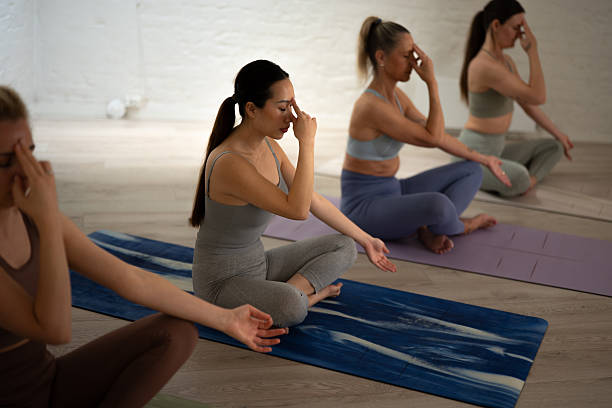
When Breathwork Becomes a Genuine Specialty
At a certain point, pranayama stops being a supplementary skill and starts becoming a real area of expertise. That shift usually happens around the 200-hour mark, where students move beyond simply knowing a wide range of techniques and start developing the judgment to know exactly which technique fits which student, situation, or intention.
This is the level where breathwork teaching starts to feel less like following a script and more like genuine, intuitive practice built on solid theoretical ground.
The Depth This Tier Covers
Expect an extensive study of classical pranayama texts alongside modern respiratory science, detailed exploration of advanced techniques including extended breath retention practices, and serious attention to how pranayama interacts with the nervous system and mental health. Contraindications and safety protocols get significantly more nuanced treatment too, since advanced techniques carry more risk if taught carelessly.
There’s typically substantial time devoted to designing full breathwork sequences and workshops, not just individual techniques in isolation.
Bridging Ancient Texts and Modern Understanding
A strong 200-hour program doesn’t just teach technique — it grounds students in the classical sources these practices come from, while also connecting that wisdom to what current science understands about the respiratory and nervous systems. That combination gives teachers the ability to explain pranayama’s effects both traditionally and scientifically, which resonates with a wider range of students.
This dual grounding also builds genuine credibility, especially when working with skeptical students or in more clinical or wellness-focused settings.
Teaching Practice at an Advanced Level
By this stage, practice teaching becomes considerably more demanding. Students are expected to design and lead full sessions, handle real-time questions and adjustments, and manage the more intense emotional or physical responses that advanced breathwork can sometimes trigger in a group setting.
Detailed, ongoing feedback from experienced instructors is essential here, since refining these subtler teaching skills really does require close mentorship rather than self-study alone.
Where This Level Can Take You Professionally
Graduates at this tier are typically well positioned to lead dedicated breathwork retreats, design specialized workshops for stress management or trauma-informed practice, and mentor other teachers earlier in their pranayama journey. It’s also often enough training to work confidently alongside wellness professionals in adjacent fields.
For many, this level represents the point where breathwork teaching genuinely becomes a distinct professional identity, rather than an add-on to a broader yoga teaching practice.
Finding the Right Program at This Level
Given the depth involved, it’s worth being selective. Look for programs led by instructors with genuine advanced experience of their own, and a curriculum that balances classical study with practical, real-world application.
Adwait Yoga’s 200 hour Pranayama Teacher Training is designed with this balance in mind, giving serious students the depth they’re looking for without losing sight of practical teaching skill.
Handling a Full Room of Different Experience Levels
Advanced pranayama classes rarely have a uniformly experienced group. Some students arrive having practiced breathwork for years, while others are relatively new to anything beyond basic breathing exercises. Learning to offer layered instruction — a core technique with clear modifications for different comfort levels — is a skill this training deliberately develops through repeated practice teaching in front of varied groups.
Getting this balance right means nobody feels either bored or overwhelmed, which is a genuinely difficult skill that separates confident, experienced teachers from those still finding their footing.
The Emotional Terrain of Advanced Practice
Techniques like extended breath retention and rapid, forceful breathing patterns don’t just affect the body — they can surface strong emotions that catch students off guard. A well-trained instructor at this level knows how to hold space for that, offering grounding techniques and reassurance rather than treating an emotional response as something to rush past.
This is one of the areas where classroom theory only takes you so far. A proper 200 hour Pranayama Teacher Training builds genuine skill through supervised practice, watching experienced mentors handle these moments in real time, and gradually developing the calm, steady presence needed to guide a room through intensity without losing control of the space.
Programs that skip over this piece leave graduates technically capable but under-prepared for the reality of leading a full room through advanced practices, which is exactly why it deserves dedicated attention during training.
Integrating This Into an Existing Teaching Practice
For teachers who already run a regular class schedule, adding this level of specialization doesn’t mean starting over — it means layering new depth onto what you already do well. Many graduates start by weaving advanced pranayama segments into their existing classes before eventually offering standalone workshops once they feel ready.
This gradual approach tends to work better than announcing a completely new specialty overnight. Regular students notice and appreciate the added depth in their usual classes, which often builds natural interest for when dedicated breathwork offerings do launch.
For Those Ready to Specialize
A 200 hour Pranayama Teacher Training is a serious commitment, but for teachers who know breathwork is where their passion genuinely lies, it’s often exactly the depth they’ve been missing. It transforms a useful skill into a real specialty, backed by both traditional wisdom and practical teaching ability.